Fightkaro Political Game: The Viral Sansad Showdown Claims
It is a fan-made browser game, not a party campaign tool. The game says so itself, and the developer credits an individual maker.
Verdict: false alarm.
Primary source: The game site and the developer notice published with the game →
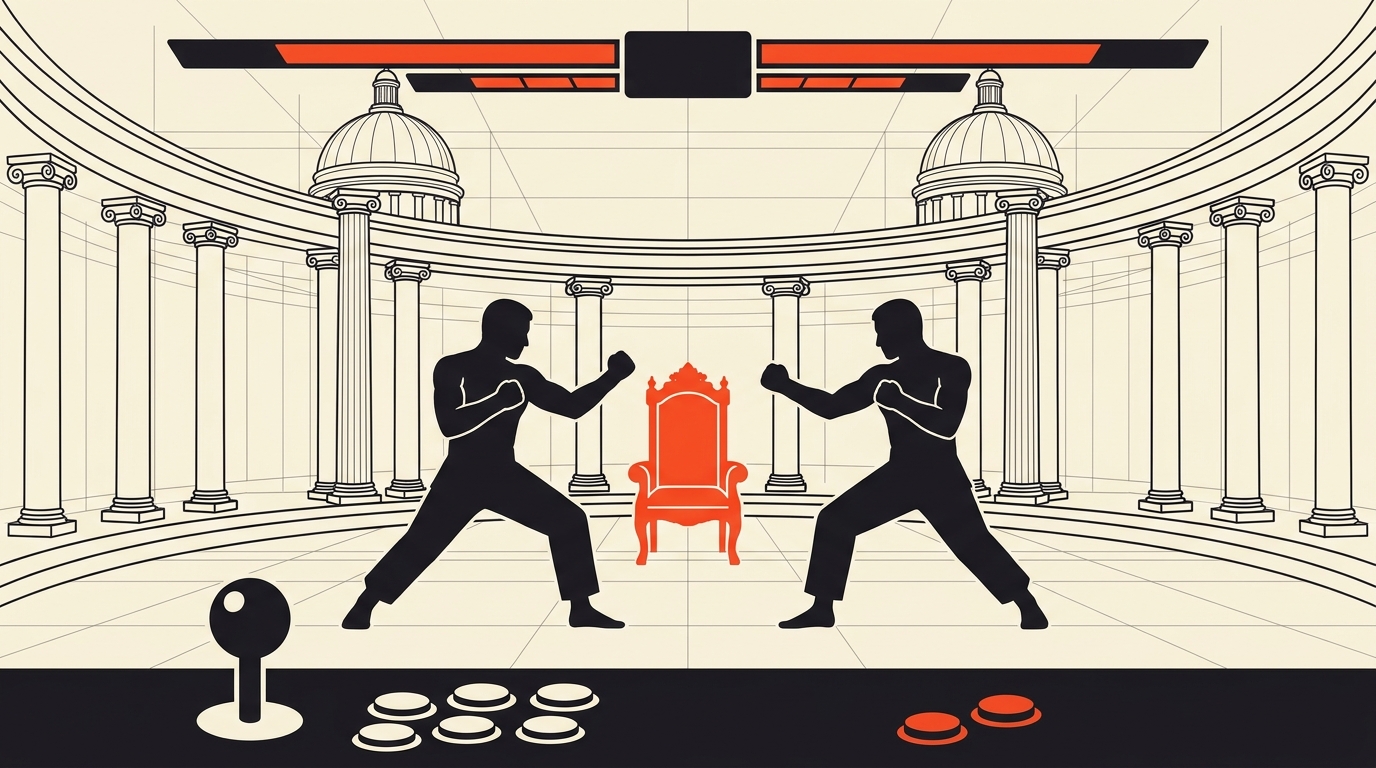
Satire aimed at elected figures is ordinary political speech. Describing it as a funded weapon is a different claim, and it needs different evidence.
Short answer: It is a fan-made browser game, and the people who made it say exactly that. The game’s own page carries a notice stating that Sansad Showdown and Fightkro are a political satire and parody game created for entertainment, humour and social commentary, and intended as an expression of creative freedom under Article 19(1)(a) of the Constitution of India, subject to applicable laws. The Deccan Herald describes it as an informal fan-made fighting game. Nothing published about the project names a party, a campaign or a funder.
Correction (2026-11-15): This article previously cited the Fightkaro homepage, a Press Trust of India homepage and a generic tech report, and its verdict read “True”, which is not a permitted value, so no verdict line ever rendered. The verdict is now False with context, which is what the record supports, and the four sources are the game itself, the developer’s notice and the reporting that describes it.
1. What the project actually is
The game runs in a browser. The site’s own description calls it a free browser political satire fighter game that you can play single-player, against the computer, two-player locally with a friend, or online with a friend, with no download and working on mobile and PC.
It carries two names. It is reached at fightkaro.com, and it is titled Sansad Showdown, with the subtitle The Great Kursi Fight. The OpenGame listing records the relationship directly: FightKaro is the browser address and name used for Sansad Showdown: The Great Kursi Fight, and it credits an individual maker, @shivmbuilds, describing it as a browser political satire fighter with selectable fighters, stages and CPU difficulty and a friend-room menu.
The game’s mechanics are the mechanics of a fighting game. The social post that drove the first wave of clips, published on October 30, listed them as: Modi versus Rahul versus Didi versus Trump, play against AI or challenge a friend, combos, special moves and super attacks, and it runs right in your browser or on mobile.
The Deccan Herald reported on November 3 that the game had gone viral, describing it in its own summary as an informal fan-made fighting game that converts figures resembling prominent political personalities and the chaotic nature of politics into a fun game of fighting.
2. Where the claim comes from
The viral framing was that a political party had funded a fighting game to humiliate its opponents, and that the game was a psychological operation rather than a joke.
Nothing in the record supports that, and there is a structural reason to be careful. A game that caricatures named politicians is ordinary satire in every jurisdiction that protects free expression, and Indian constitutional law protects it explicitly: the game’s own notice cites Article 19(1)(a). The step from “satirical game caricatures politicians” to “party-funded weapon” requires evidence about who paid for it, and no such evidence has been published about this project.
What the record does show is the opposite of a covert operation. The developer publishes the game under a named account, the game states its purpose on its own front page, and the press has written it up as a satire phenomenon rather than an investigation. Covert funding is not how this was done.
3. Why it spread, and what it actually shows
The game’s own marketing is the reason it travelled. It has an instantly legible premise, a roster of recognisable figures, and a shareable format that works in a fifteen-second clip.
Two things follow for anyone writing about it. First, the attribution problem: clips are shared without the game’s own framing, so a satire game with a disclaimer in its footer can end up circulating as evidence of something it explicitly disclaims. Second, the misreading risk: a game that stages a fight between political figures is easy to describe as a political attack, when what it is doing is exaggerating behaviour everyone already watches.
Neither of those is a reason to leave the claim alone. The claim was checkable, and it was checked.
4. The verdict: false, with the context that it is satire
The claim fails. There is no published evidence that Fightkaro is a party-funded weapon, and the project’s own materials describe it as entertainment and social commentary credited to an individual maker.
The context worth keeping is that the game is a fair target for a different and more interesting question: whether parody aimed at named political figures crosses a line, and who decides. That is a live question in Indian political speech, and the game’s own notice answers it one way by citing Article 19(1)(a). Whether that answer holds is a debate about the Constitution and the courts, not about what this project is.
For how this site handles claims that arrive attached to viral media, see our analysis of the Delhi protests and our method guide for viral clips.
Sources to check yourself
- Fightkro game page: the developer notice on the game’s purpose and its Article 19(1)(a) framing.
- Fightkaro: the live game and its description of how it is played.
- Deccan Herald, November 3: the reporting that describes the project as an informal fan-made satire game and the October 30 social post that started the spread.
- OpenGame: the game’s listing, its two names and its credited individual maker.
Frequently asked questions
Q: Who made Fightkaro? A: The game’s listings credit an individual maker, @shivmbuilds, and the project is published under a named developer account. No party is credited anywhere in the record.
Q: Is it really just a browser game? A: Yes. The site’s own description says it runs in a browser with no download, works on mobile and PC, and offers single-player, local two-player and online play.
Q: Is mocking politicians illegal in India? A: The game’s notice invokes Article 19(1)(a) of the Constitution as its basis, which protects speech. The boundaries of political satire in India are genuinely debated in the courts, and this article does not settle that question.
Reader discussion
Conversation for this story opens with memberships. Until then: found an error? Report it — we correct visibly.