CJP's Jantar Mantar Protest: What the Crackdown Data Shows
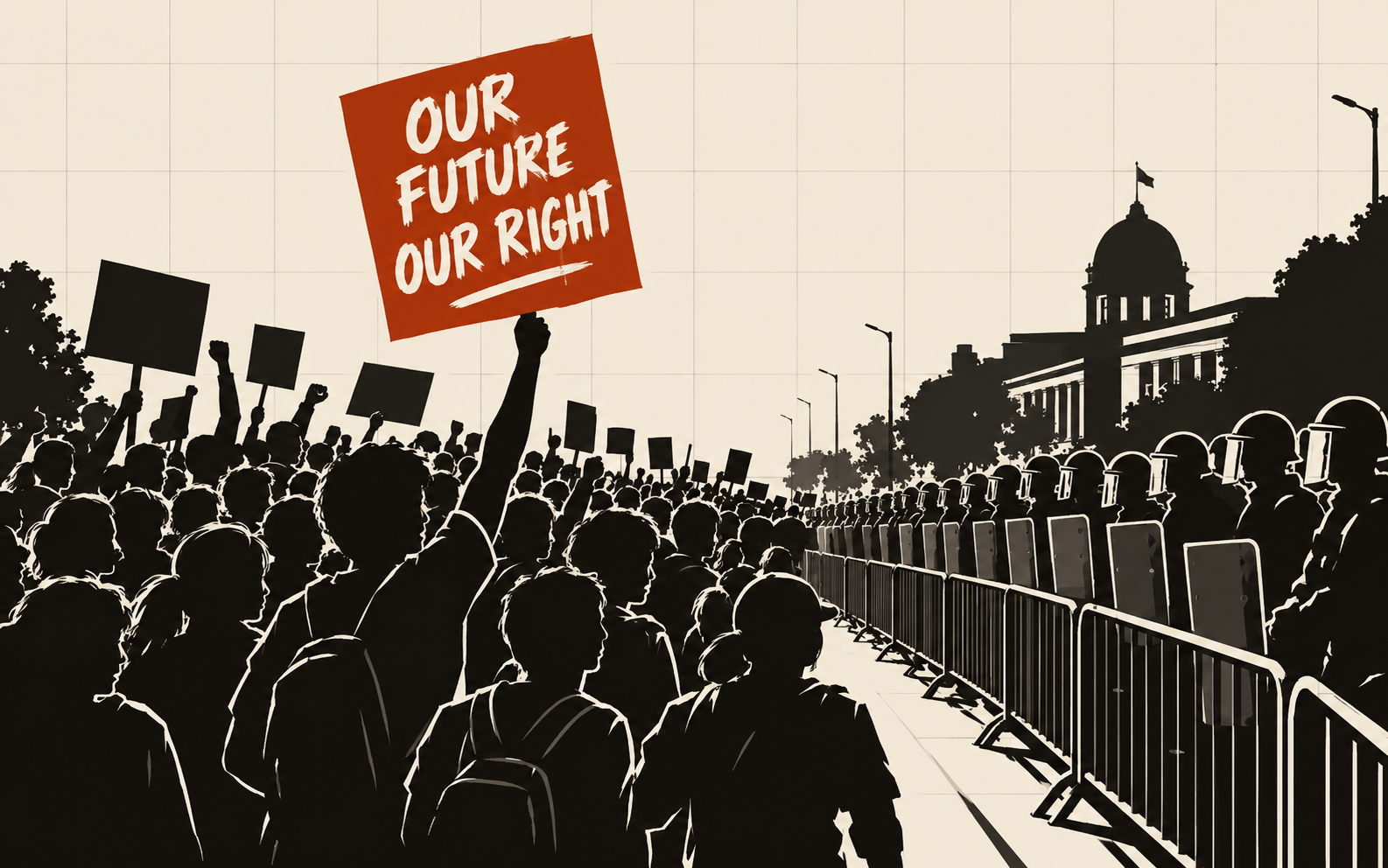
The CJP called it a Black Emergency. Police detained about 2,000 to 2,500 people in Delhi, shut 45 metro stations and suspended mobile internet.
Verdict: misleading.
Primary source: Indian Express investigation into the Special Intensive Revision and Election Commission objections →
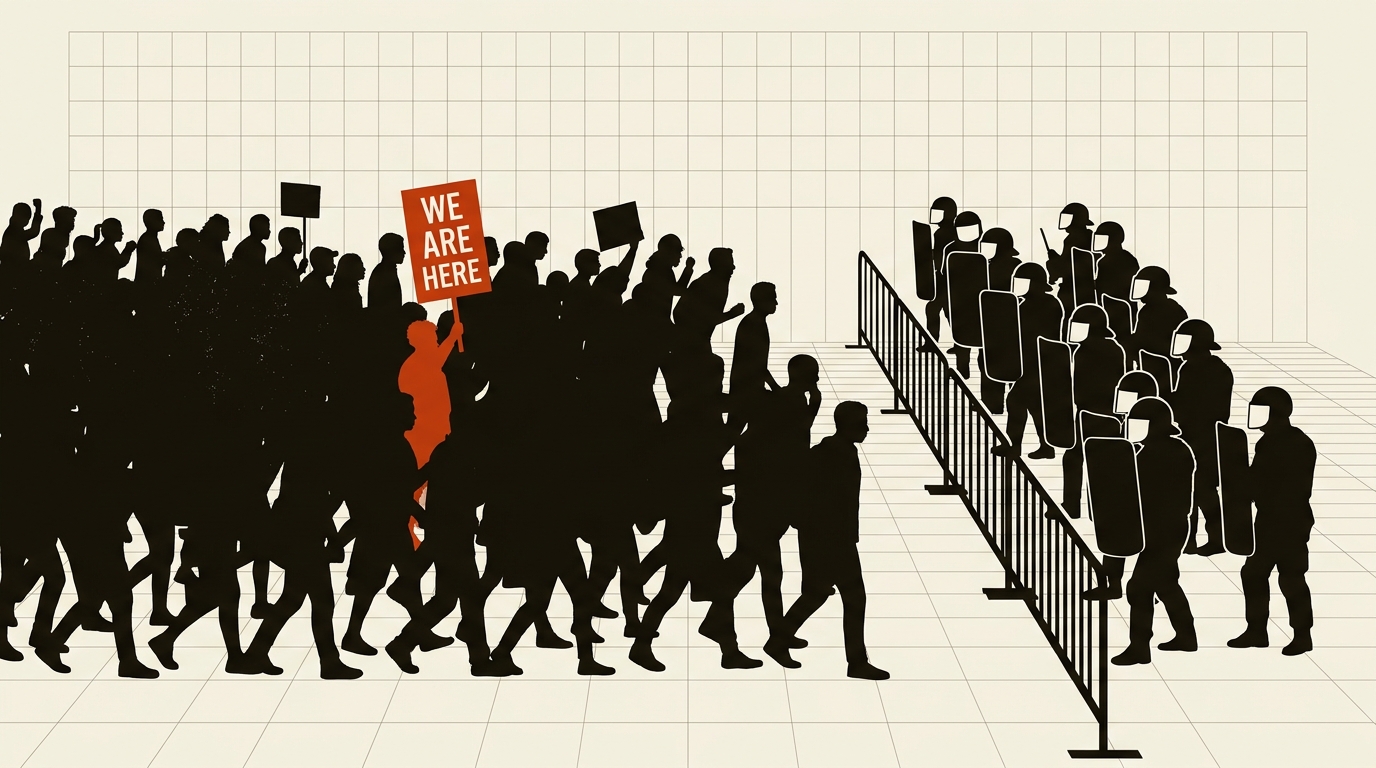
The October 10 lockdown tested how far a state can go to stop a peaceful march, and whether courts can pull it back.
Short answer: On October 10, 2026, Delhi Police sealed central Delhi to stop the Cockroach Janta Party’s march to Jantar Mantar. Officers detained CJP founder Abhijeet Dipke and two co-leaders from their flight, shut 45 metro stations, suspended mobile internet around the protest zone and cancelled trains into the city. The verified detention count is about 2,000 to 2,500 in Delhi, plus about 600 arrests in Mumbai. The CJP’s claim of 10,000 detentions nationwide is an allegation that no official count supports. The crackdown was real. The number is not.
Correction (2026-11-15): This article consolidates a companion pre-event piece that treated the 10,000 detention figure as broadly accurate. Both versions cited section homepages instead of reporting. Unverified details about a Gurugram arrest time, body cameras, a Connaught Place shutdown and a ₹2,000 crore loss have been removed. The companion article now redirects here.
1. What the CJP planned, and what it got
The CJP called for a protest at Jantar Mantar on October 10, demanding the resignation of Chief Election Commissioner Gyanesh Kumar over the Special Intensive Revision of voter rolls. Student groups, activists and farmer organisations said they would join.
Delhi Police denied permission. Joint Commissioner Nupur Prasad said the CJP applied on October 7, three days before the gathering, against a rule requiring 10 days’ notice. Police also cited the group’s July demonstration, which they said ran for about a month and left more than 200 officers injured, Hindustan Times reported.
The police statement said Jantar Mantar can safely hold about 1,000 people at a time. The CJP said it would march anyway. “Shut down the entire country if you are so scared of the youth,” Dipke told reporters in Mumbai, according to Hindustan Times.
2. The lockdown: metro, internet and trains
Delhi’s response went well beyond the protest site.
The Delhi Metro initially announced that entry and exit gates at 57 stations would close from 9 p.m. on October 9. After a Supreme Court order the next day, the operator cut the list to 45 stations, Hindustan Times and Frontline reported. The closures ran until 6 p.m. on October 10.
Mobile internet was suspended within a 4 km radius of the Kartavya Path and Janpath intersection, from 10 p.m. on October 9 to 10 p.m. on October 10. The zone covered ITO, Purana Qila and New Delhi railway station, according to a Home Ministry document cited by Hindustan Times.
The railways cancelled dozens of mail and express trains due at New Delhi and Hazrat Nizamuddin stations. Hindustan Times reported that close to 40 of 72 such trains were scrapped at their originating stations. A separate Hindustan Times account put the wider cancellation figure at 254 trains. The two numbers likely cover different train categories, and neither is a count of all services into Delhi.
The Hindu reported that 23,000 security personnel were deployed. Mathrubhumi put the figure at nearly 26,000. Delhi Traffic Police planned diversions at up to 30 points around central Delhi, and Section 163 of the BNSS restricted public movement, Hindustan Times reported.
3. The detentions: what is verified
The most dramatic detention happened on an aircraft.
Dipke, Saurav Das and Ashutosh Ranka were detained by Delhi Police after their Air India flight from Mumbai landed at 10:19 a.m., The Indian Express reported. A video recorded by Dipke showed three women officers, led by Inspector Pravesh Kaushik, entering the plane and telling the trio that permission had been denied. “I have come to get arrested,” Dipke said on the video.
Earlier that morning, YouTuber Dhruv Rathee and CJP legal team head Ratna Singh were detained at their residences, according to The Indian Express. Al Jazeera and Frontline reported that opposition politicians were also picked up, including Mamata Banerjee, Arvind Kejriwal, Pinarayi Vijayan, Brinda Karat, John Brittas, Prashant Bhushan, Dipankar Bhattacharya and Neha Bora.
The totals vary by source and by time of day. Al Jazeera reported that more than 2,000 people were detained, including opposition politicians, journalists and lawyers. The Hindu, citing Delhi police sources, said nearly 2,500 protesters were detained across the capital. Reuters, citing a Ministry of Home Affairs official, put the figure at about 2,000. Al Jazeera also reported that about 600 people were arrested in Mumbai, citing ANI.
The CJP’s own figure was much higher. Its leaders alleged that at least 10,000 supporters were detained across India before the protest. Mathrubhumi noted that the claim had not been independently verified. No official nationwide tally reviewed for this article supports it.
The distinction between arrest and preventive detention matters. Police described the detentions as preventive, and the CJP demanded the leaders’ “immediate and unconditional release.” On October 11, a New Delhi court ordered the release of Dipke, Das and Ranka on condition that they commit no breach of peace for one year, Al Jazeera reported.
The detentions drew international criticism. The UN Human Rights Office called on authorities to respect the right to peaceful assembly. Amnesty International and the Committee to Protect Journalists also objected, according to Al Jazeera.
4. The Supreme Court’s intervention
The lockdown was already facing legal challenge before the protest began.
On October 9, a bench led by Chief Justice of India Surya Kant heard a petition from CPI(M) general secretary M.A. Baby. The bench, which included Justices Joymalya Bagchi and V. Mohana, questioned the blanket closure of metro stations and cancellation of trains. “You will not use a hammer to kill a fly,” the court said, according to Hindustan Times.
The court ruled that there should be no outright prohibition on metro trains. Solicitor General Tushar Mehta told the bench that the government would reconsider the restrictions and allow regulated movement, keeping proportionality in mind. The DMRC then reduced its closure list from 57 stations to 45.
The order did not stop the broader security operation. It did force the state to explain why ordinary commuters had to bear the cost of policing a protest. That record is now part of the case law on protest policing in Delhi.
5. The trigger: 13 crore deletions and the EC rift
The protest did not come from nowhere.
An Indian Express investigation found that the SIR struck more than 13 crore names off draft voter rolls in 30 states and Union Territories. The same investigation reported that two Election Commissioners, Sukhbir Singh Sandhu and Vivek Joshi, objected on record at least 14 times in 10 months to decisions taken under Chief Election Commissioner Gyanesh Kumar. They described some moves as “unauthorised, illegal,” the newspaper reported.
The Election Commission and the BJP deny wrongdoing. BJP spokesperson Sambit Patra dismissed the demonstrators as “anarchic elements” and said their “flop show has been completely demolished,” Al Jazeera reported.
The 13 crore figure describes the scale of the deletions. It does not, by itself, prove that every deletion was unlawful. The CJP says the process targets opposition voters. The commission says the revision is a lawful clean-up of duplicate and ineligible entries. That dispute is unresolved, and the protest did not settle it.
The CJP’s demands went beyond the roll. It wants Kumar to resign, criminal charges filed against him, the SIR frozen, and the process of appointing the CEC opened to civil society. The Hindu reported those demands ahead of the earlier October 2 protest.
6. What the record shows
The core sequence is well documented. Police denied permission. The CJP proceeded. Delhi shut 45 metro stations, cut mobile internet and cancelled trains. Officers detained the CJP leadership from a flight and picked up opposition politicians across the city. A court ordered the leaders’ release the next day.
The numbers need care. The verified detention count in Delhi is about 2,000 to 2,500, not 10,000. The Mumbai figure is about 600 arrests. The 10,000 claim is a political allegation, and repeating it as fact turns a real crackdown into an unsupported one.
The wider questions remain open. The SIR removed more than 13 crore names from draft rolls. Two election commissioners objected repeatedly. The Election Commission denies wrongdoing. The courts are still hearing challenges. The October 10 protest made those disputes visible. It did not resolve them.
The policing of that protest also connects to earlier checks, including our report on Dhruv Rathee’s detention and the London protest and our fact-check of the LPU protest crackdown.
Sources to check yourself
- Al Jazeera: the 2,000-plus detention figure, the Mumbai arrests, the court-ordered release, the UN and Amnesty reactions and the BJP response.
- Frontline: the 45 metro stations, the 4 km internet shutdown, the Supreme Court hearing and the detention of opposition leaders.
- The Indian Express: the 10:19 a.m. landing, the officers who boarded the flight and the detentions of Dhruv Rathee and Ratna Singh.
- Hindustan Times: the 57-to-45 metro reversal, the internet zone, the train cancellations and the “hammer to kill a fly” order.
- The Hindu: the 23,000 security personnel and the pre-event transport restrictions.
- Mathrubhumi: the CJP’s 10,000 detention allegation and its unverified status.
- The Indian Express: the 13 crore deletions and the 14 recorded objections by two election commissioners.
- Hindustan Times: the 254 train cancellations and the Section 163 restrictions.
Frequently asked questions
Q: How many people were detained on October 10? A: About 2,000 to 2,500 in Delhi, according to Reuters and The Hindu’s police sources. About 600 people were arrested in Mumbai, according to ANI. The CJP’s claim of 10,000 nationwide detentions has not been independently verified.
Q: Were the CJP leaders arrested or preventively detained? A: Police described the detentions as preventive. A New Delhi court ordered Dipke, Das and Ranka released on October 11, on condition that they commit no breach of peace for one year.
Q: Did the Supreme Court stop the metro shutdown? A: It ruled that there should be no outright prohibition on metro trains and told authorities to regulate rather than halt services. The DMRC then cut its closure list from 57 stations to 45.
Q: What is the CJP demanding? A: The resignation of Chief Election Commissioner Gyanesh Kumar, criminal charges against him, a freeze on the SIR, and a transparent process for appointing the CEC with civil society participation.
Reader discussion
Conversation for this story opens with memberships. Until then: found an error? Report it — we correct visibly.